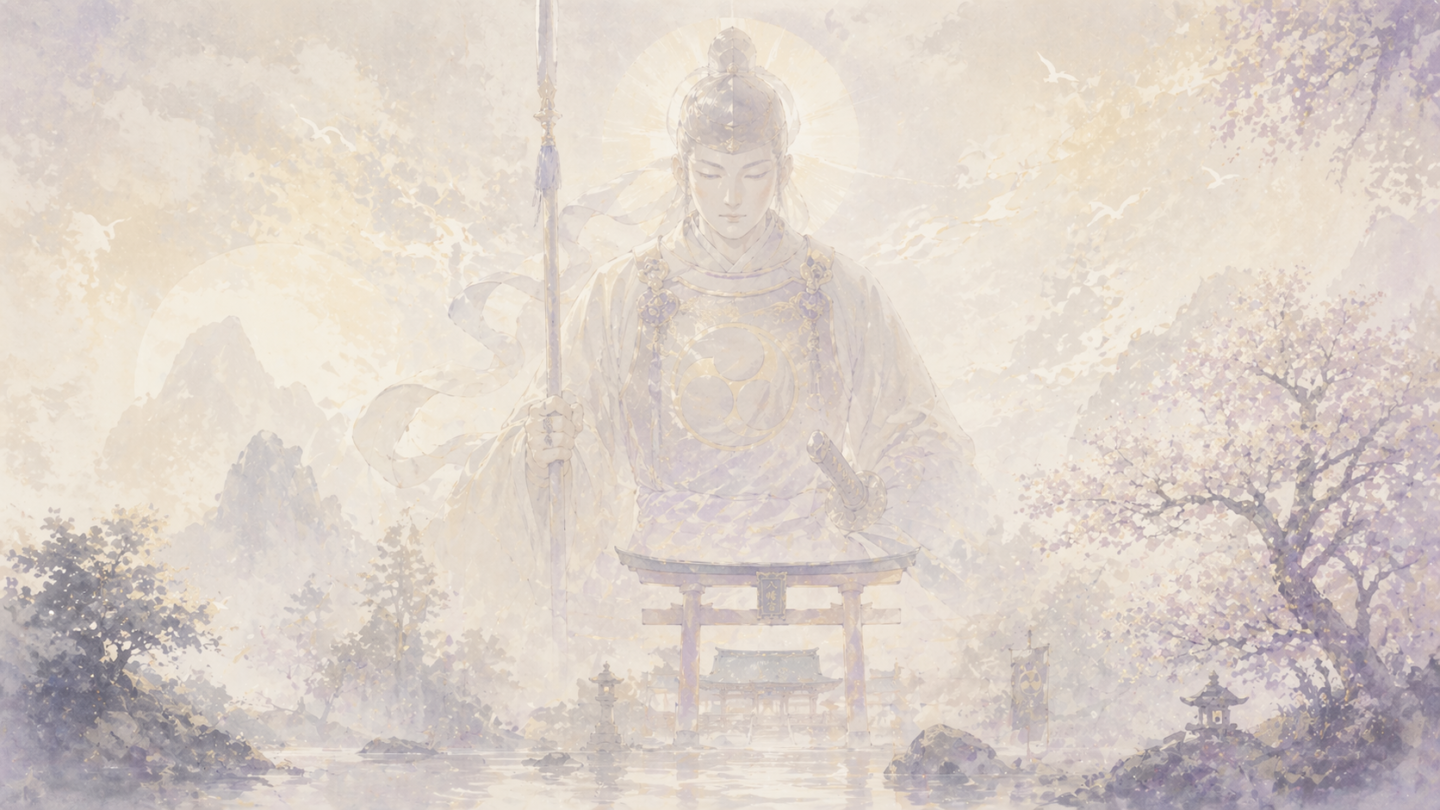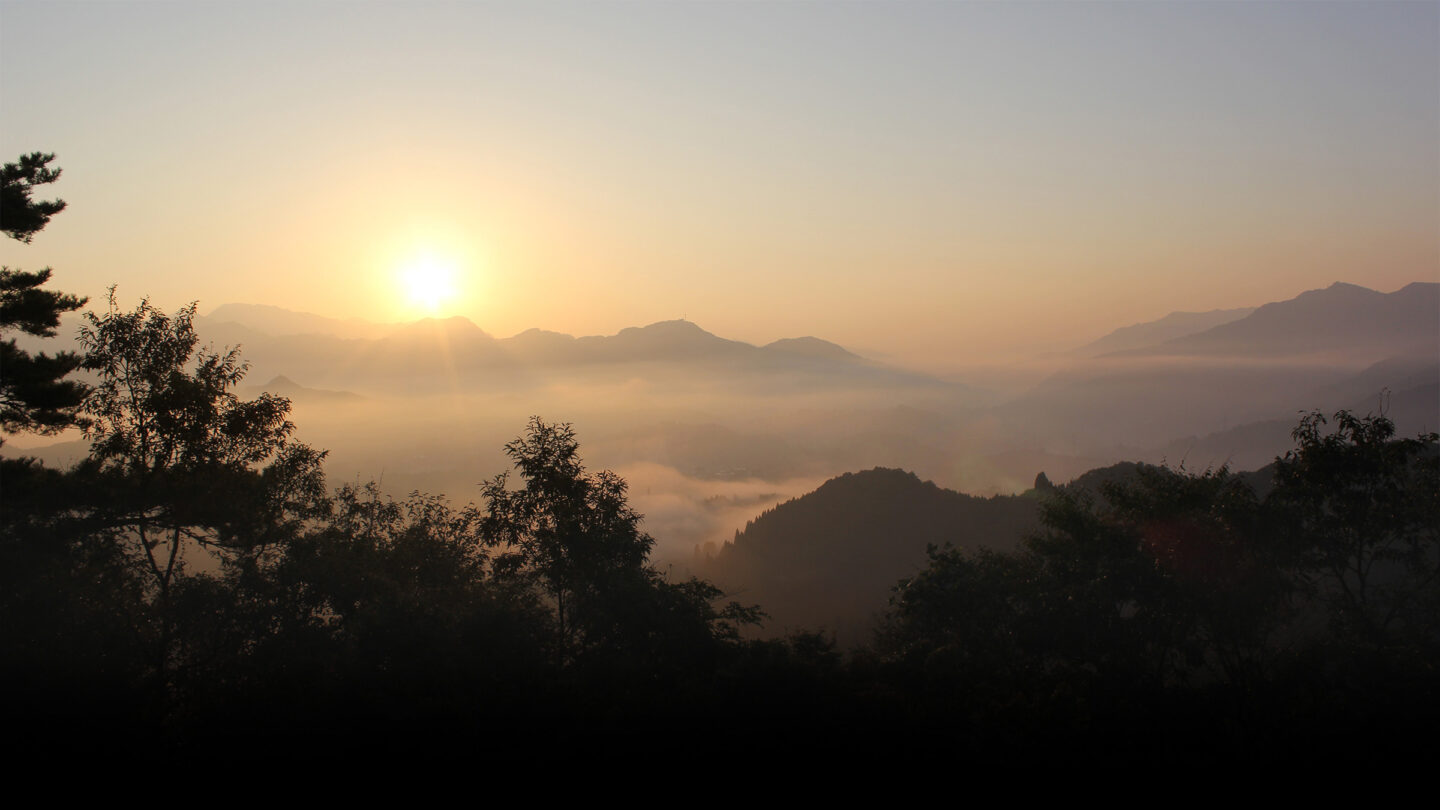
日本には、古くから数えきれないほどの神々が存在すると考えられてきました。八百万の神という言葉が示すように、自然や日常のあらゆるものに神が宿るとされ、日本各地には多くの神社が建てられています。これらの神社は、神話や古事記に登場する神々を祀る神聖な場所であり、人々にとって神さまをお祀りし祭祀をおこなう神聖な場所として大切に守られています。
In Japan, it has long been believed that there are countless gods. As the phrase “eight million gods” suggests, it is believed that gods dwell in nature and in all aspects of daily life, and numerous shrines have been built throughout the country. These shrines are sacred places dedicated to the gods featured in mythology and the Kojiki, and they are cherished and carefully preserved as sacred sites where people worship the gods and perform rituals.
神社の起源
The Origins of Shinto Shrines
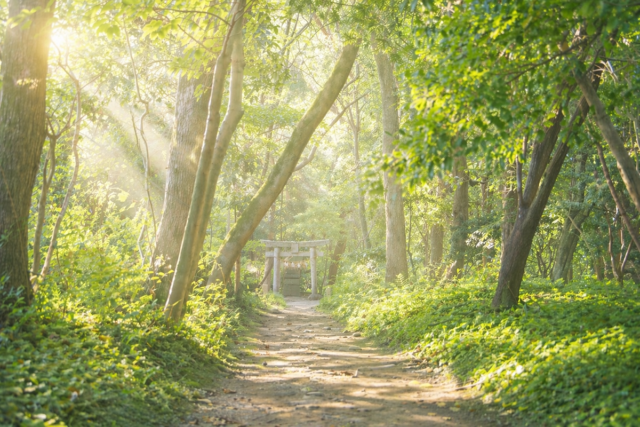
神社は、古代の自然崇拝や祖先信仰にその起源があります。人々は山や森、岩などに神が宿ると考え、祈りをささげる場として神社がつくられていきました。時代が進むにつれて社殿も整えられ、信仰のかたちも少しずつ変わりながら各地へと広がっていきます。さらに分祀によって新しい神社が生まれ、地域ごとに特色ある信仰が育まれていきました。こうした神社は、今でも地元の人々に大切に守られ、日々の暮らしや祭りの中に息づいています。
Shinto shrines trace their origins to ancient nature worship and ancestor veneration. People believed that gods dwelled in mountains, forests, and rocks, and shrines were built as places to offer prayers. As time passed, the shrine buildings were refined, and while the forms of worship gradually evolved, the practice spread throughout the country. Furthermore, new shrines were established through the division of deities, fostering distinctive forms of worship in each region. Even today, these shrines are cherished and protected by local people, remaining an integral part of daily life and festivals.